New Neuroinclusive Networking Guide Launches at The Meetings Show
29 June 2026
(Last updated: 29 Jun 2026 12:17)
Launching at The Meetings Show, the 2026 Neuroinclusive Networking Guide is the result of a collaborative initiative between Meet Cambridge and ABPCO. The guide provides a new practical framework designed to help event organisers create more accessible and inclusive networking experiences.
The Neuroinclusive Networking Guide offers evidence-based, practical recommendations to make networking more accessible, inclusive and effective for all attendees. Research highlights that for neurodivergent people - who make up around one in five of the population - traditional networking formats can present significant challenges.
Developed through the ABPCO Neurodiversity in Events taskforce, of which Meet Cambridge is a member alongside the Edinburgh International Conference Centre (EICC), UCISA, Azura Events and Welcome Brain Consulting, the guide responds to a clear industry challenge: how to make networking work better for everyone.
Research conducted by the taskforce found that 81% of respondents feel anxious during networking activities, rising to 94% among neurodivergent respondents. It also found that the main barrier for organisers is not cost or venue constraints, but knowing where to begin. Traditional networking formats - often noisy, unstructured and socially demanding - are consistently identified as limiting accessibility.
Anita Macdonald, Marketing Manager at Meet Cambridge and an active member of the ABPCO working group behind the guide, said:
Networking remains one of the most important reasons people attend events, but our research shows the traditional model isn't working for many attendees. More structure, clearer expectations and greater choice don't just support neurodivergent people, they improve the experience for everyone.
The guide sets out a clear, self-certifying framework across three levels of implementation - Silver, Gold and Platinum - enabling organisers to make incremental improvements. Recommendations range from simple, no-cost adjustments that can be implemented immediately through to more advanced approaches developed in collaboration with neurodivergent communities.
Andy Williamson, Founder at Welcome Brain Consulting added:
Traditional networking relies on outdated formats that exclude those who experience social anxiety, physical barriers or neurodivergent differences. Our research shows that both neurotypical and neurodivergent people dislike many elements of traditional networking. The good news is that making networking neuroinclusive doesn’t have to be expensive or difficult.
The Neuroinclusive Networking Guide forms part of ABPCO taskforce’s wider work to improve accessibility and attendee experience across the events sector, building on the earlier Neurodiversity in Events Toolkit.
Jessica Letters, Co-Chair of ABPCO, said:
Our ABPCO Neurodiversity in Events taskforce is focused on ensuring the best possible event experience for everyone, and rethinking how we approach networking is a crucial next step in making sure all attendees can fully enjoy and benefit from events.
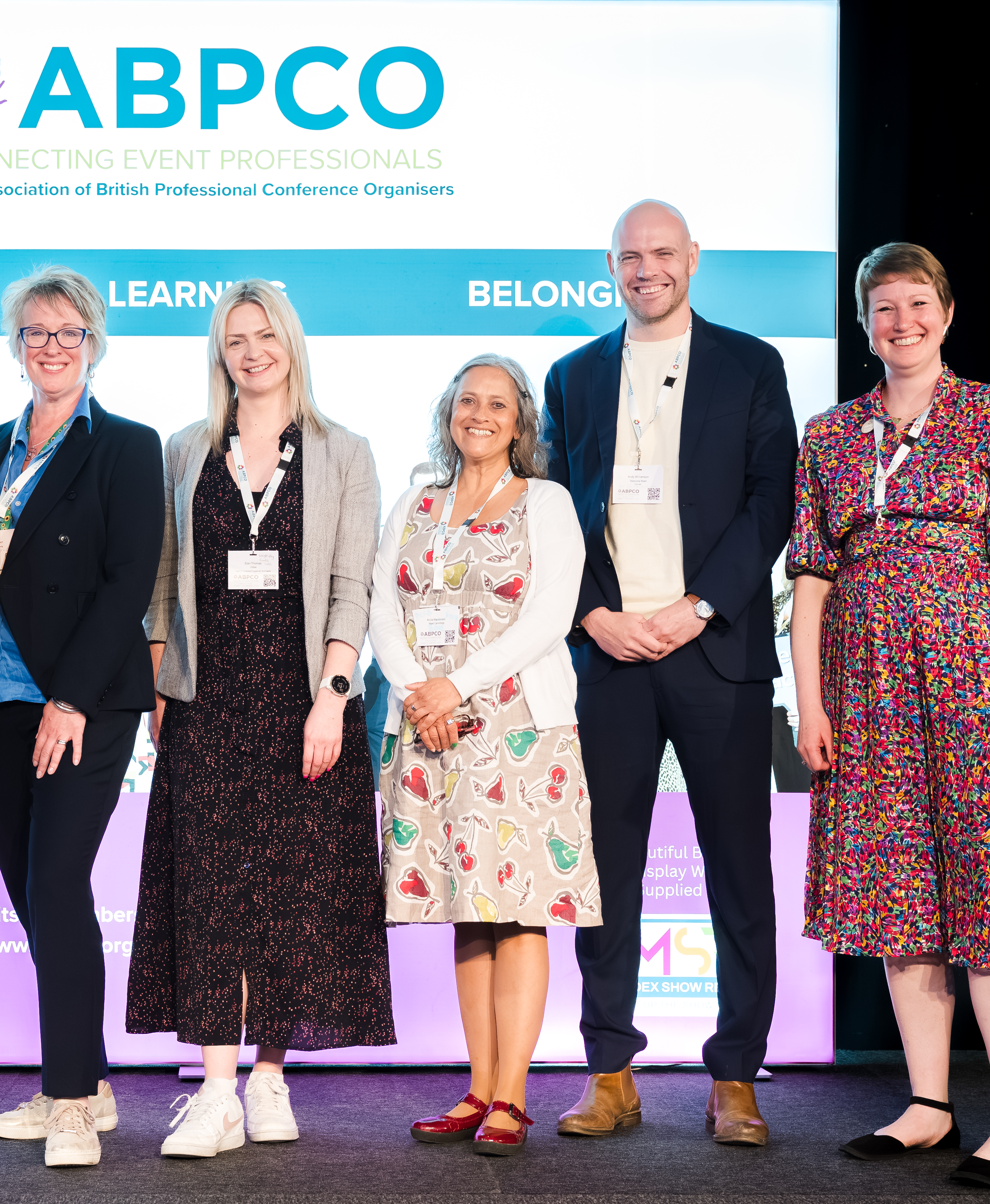
Photo credit for ABPCO Neurodiversity in Events taskforce: Simon Callaghan
From left to right: Clare Beach, Azura Events; Sian Thomas, UCISA; Anita Macdonald. Meet Cambridge; Andy Williamson, Welcome Brain Consulting; Jessica Letters, ABPCO
View other News